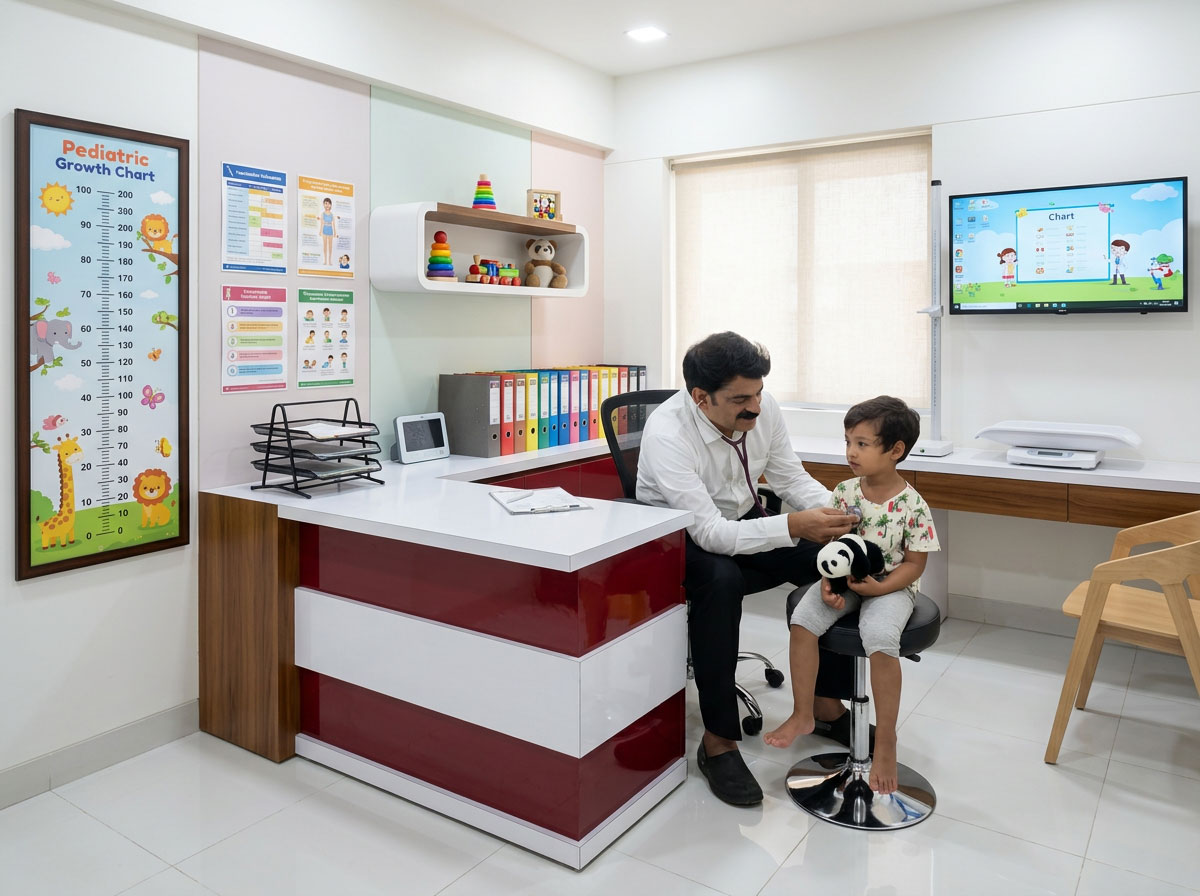
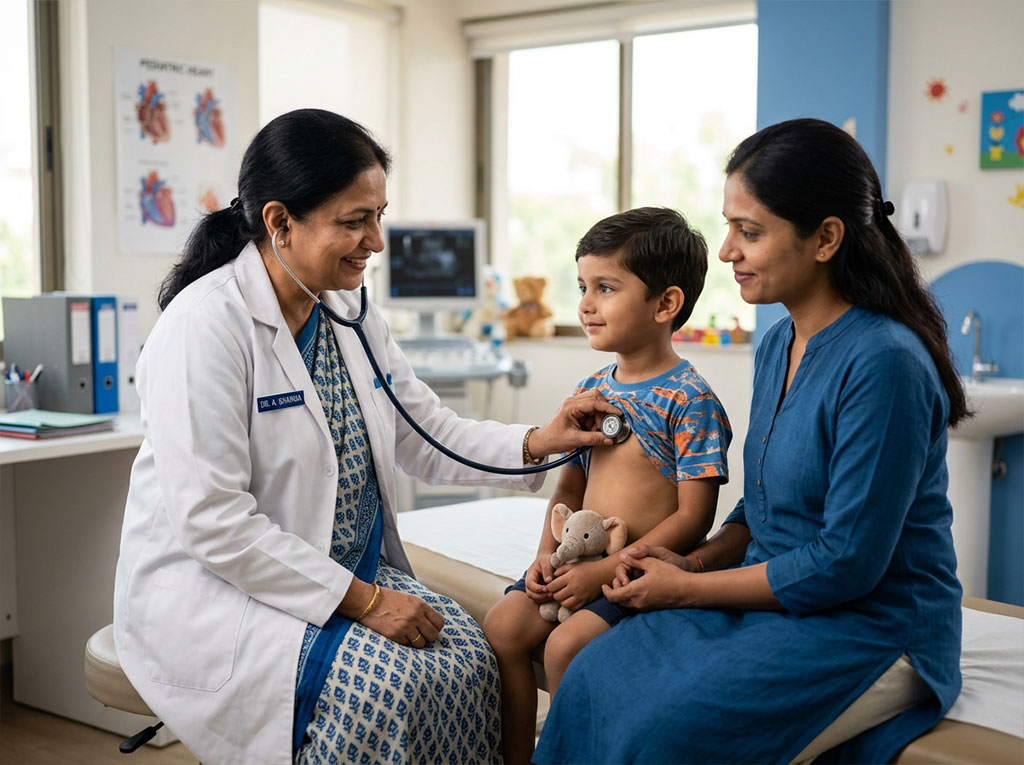
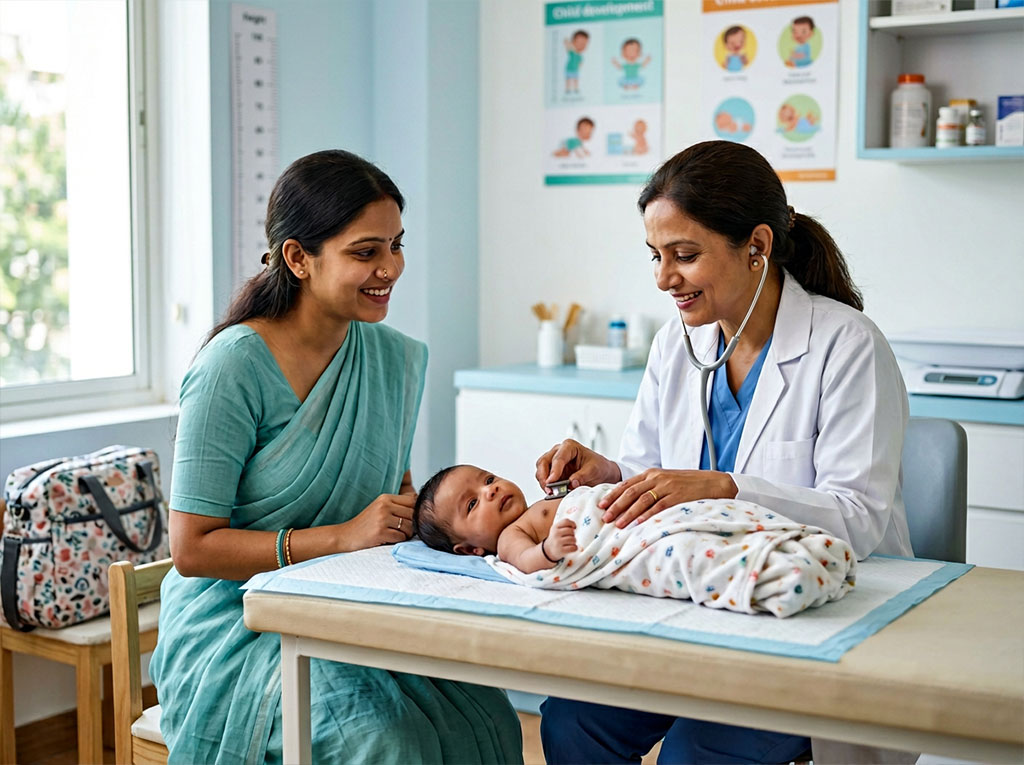
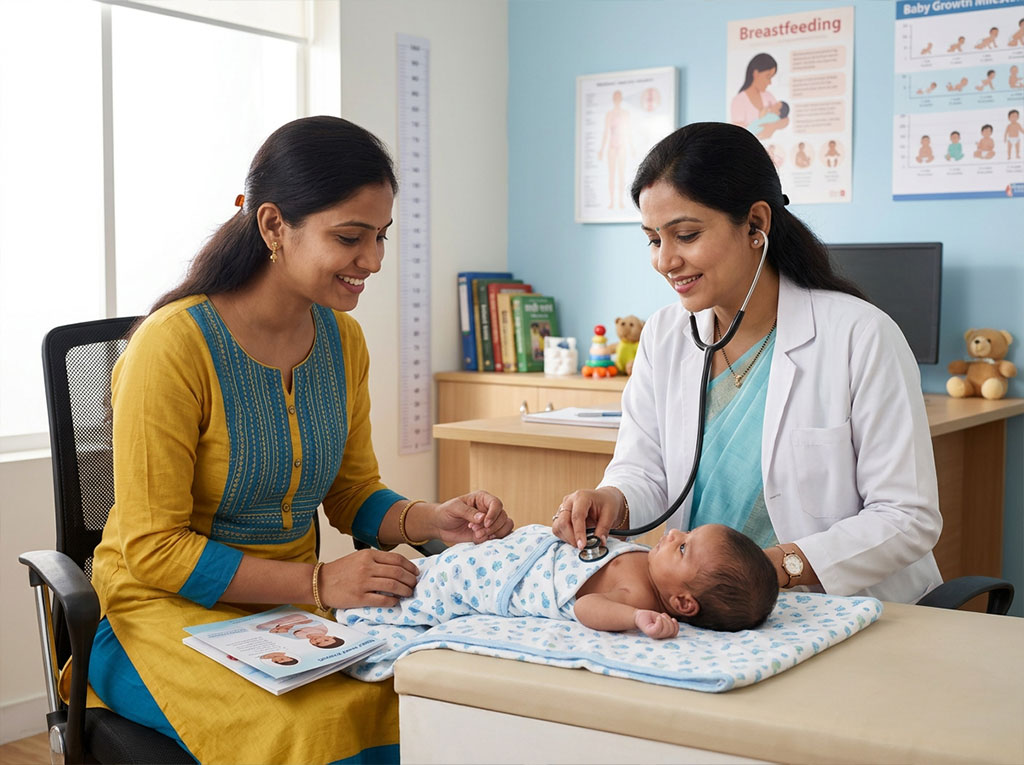
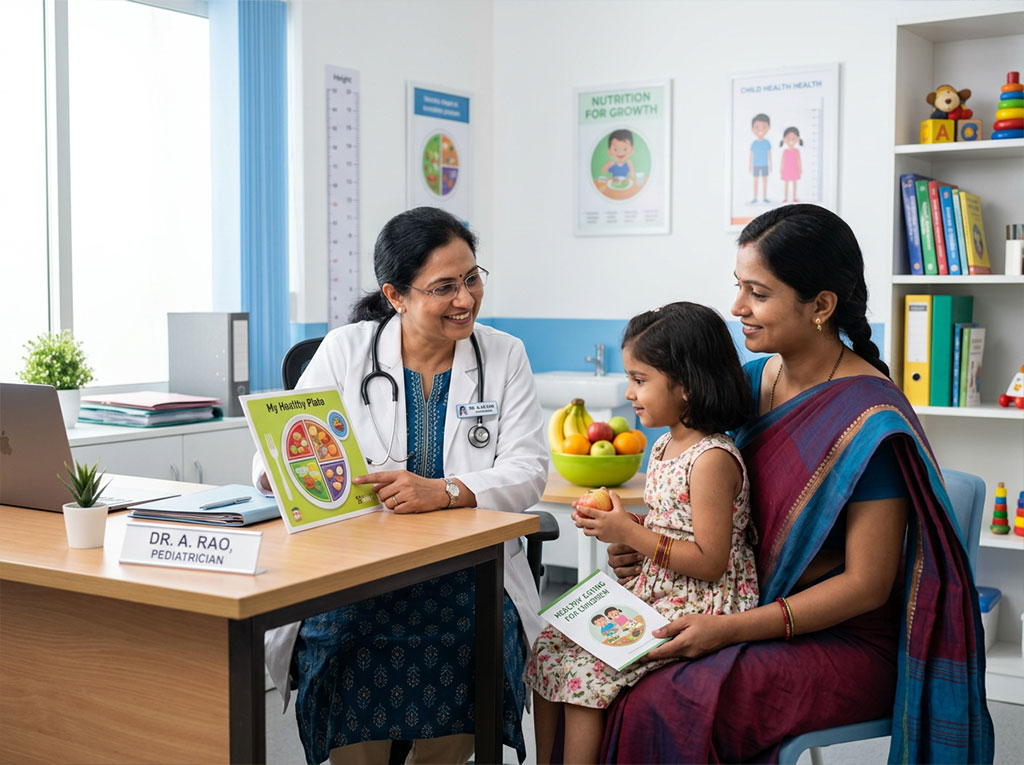
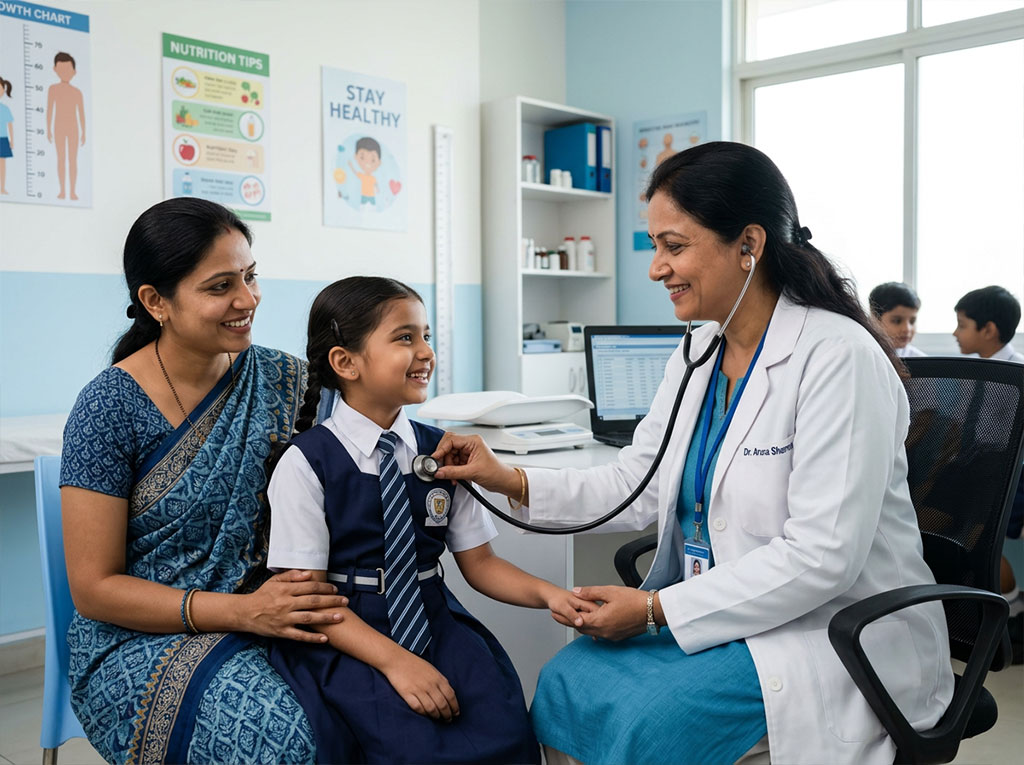
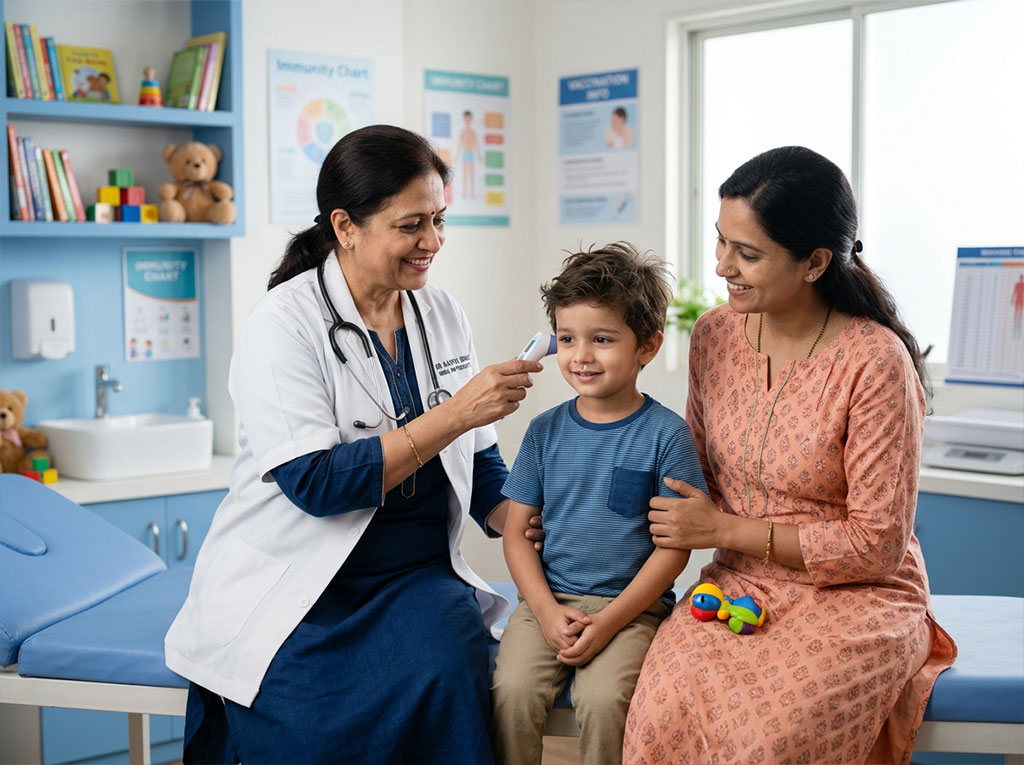
At Ananya Kidz & Family Multispeciality Clinic, we provide complete pediatric care for newborns, infants, children, and adolescents in Yelahanka, Bangalore. From common concerns such as fever, cough, poor appetite, and recurrent infections to advanced care in developmental pediatrics, allergy and asthma, pediatric cardiology, child nutrition, and newborn care, we offer evidence-based and parent-friendly child healthcare under one roof.

Parent-friendly consultations, preventive child healthcare, developmental guidance, school health support, and focused follow-up care.
Experienced pediatric consultant delivering evidence-based child care with strong academic and Armed Forces medical background.
Our pediatric services combine clinical expertise, preventive care, developmental support, and coordinated guidance to help families manage both routine and complex child health concerns with confidence.
Experienced pediatrician with decades of structured child healthcare experience for newborns, infants, children, and adolescents.
From fever, cough, and infections to growth, nutrition, and teen health, parents get comprehensive care in one place.
Early guidance for speech delay, milestones, behavior concerns, autism support, ADHD screening, and rehabilitation linkage.
Well baby visits, vaccination advice, routine growth checks, school screening, and child safety awareness are part of care.
Easy-to-understand explanations, practical home-care advice, and clear next steps help parents feel confident and supported.
Same-day pediatric consultation support for urgent symptoms such as fever, wheezing, vomiting, breathing difficulty, and poor feeding.

Easy-to-understand pediatric treatment and support services for common child health problems, preventive care, growth concerns, and developmental needs. Every service card includes an empty image placeholder so you can add your own image later.

Consultation for common child health problems such as fever, cold, cough, throat infection, vomiting, diarrhea, stomach pain, poor appetite, weakness, and repeated infections.

Assessment and management of recurrent cough, night cough, wheezing, breathlessness, nebulisation support, dust allergy, seasonal allergy, and asthma concerns in children.

Child heart murmur evaluation, congenital heart disease screening, poor weight gain with cardiac suspicion, and referral for pediatric cardiac work-up when required.

Regular checkups to monitor growth, milestones, feeding, sleep, vaccination review, and overall healthy development from the early months onward.

Routine vaccines, optional vaccines, catch-up schedules, and parent counseling to help protect children from preventable infections.

Support for feeding, jaundice monitoring, baby weight gain, colic, sleep concerns, skin issues, and first-time parent guidance for newborns and infants.

Evaluation and support for delayed milestones, speech delay, learning issues, autism spectrum concerns, ADHD symptoms, cerebral palsy, and behavior concerns.

Help for children who are not eating properly, have poor appetite, poor weight gain, picky eating habits, underweight concerns, or unhealthy weight gain.

Health screening for school-going children to assess growth, vision, nutrition, general wellness, and early signs of problems that may affect school performance.

Assessment for children who frequently get fever, throat infections, cough, cold, chest infections, tummy infections, or repeated illness affecting daily life.

Preventive child dental care, oral hygiene counseling, cavity prevention, and early dental evaluation to support healthy teeth and gums.

Support for puberty-related concerns, nutrition, menstrual health guidance, stress, lifestyle habits, growth issues, and preventive health counseling for teenagers.
Structured sections like these improve readability, make the page more useful for parents, and support better SEO / AEO visibility.
My child is not eating properly and is not gaining weight.
My child has high fever again and again and falls sick frequently.
My child has speech delay or delayed developmental milestones.
My child is wheezing, breathing fast, or not focusing well in school.
Mild fever for less than 48 hours may be observed at home if the child is active, drinking fluids, and otherwise comfortable.
Consult if fever persists beyond 2 to 3 days or if there is repeated vomiting, worsening cough, poor appetite, or reduced activity.
Seek urgent review for breathing difficulty, lethargy, persistent poor feeding, seizures, or any major parental concern in a newborn or young infant.
Poor appetite in children is common, but it should not be ignored if it is persistent or affecting growth. The reasons may range from picky eating habits and excessive junk food intake to nutritional deficiency, recurrent infection, constipation, gastritis, behavioral patterns, or feeding-related anxiety in the family. Parents should avoid force feeding and keep a structured meal routine. A pediatric review is recommended if the child is not gaining weight, appears weak, falls sick frequently, or continues to eat poorly for more than two to three weeks.
A short-duration fever in an otherwise active child is often due to a viral illness and may settle with observation, hydration, and supportive care. However, you should seek pediatric review if the fever lasts beyond two to three days, if the child is unusually sleepy, not drinking enough, vomiting repeatedly, breathing fast, having a rash, or looking significantly unwell. In very young infants, especially newborns, even a short fever needs urgent attention.
Speech delay should be evaluated early rather than ignored. Some children are naturally late talkers, but speech delay may also be associated with hearing difficulty, developmental delay, autism spectrum concerns, excessive screen exposure, or environmental factors such as low interactive communication. Early evaluation helps identify the cause and allows timely intervention, which significantly improves outcomes.
Frequent illness may be related to low immunity, poor nutrition, environmental exposure, or recurring infections. A pediatric assessment helps identify the cause and guide treatment.
Yes. We provide newborn care, feeding guidance, jaundice monitoring, growth tracking, routine vaccination, and optional vaccine counseling.
Yes. Newborn care includes feeding guidance, latch and breastfeeding support, jaundice monitoring, weight gain assessment, hygiene advice, cord care guidance, sleep pattern counseling, and early warning sign evaluation. New parents should not hesitate to seek help for poor feeding, excessive sleepiness, yellow discoloration, fever, repeated vomiting, or poor urine output.
Yes. School health checkups can include growth monitoring, basic vision screening, nutrition review, general physical examination, and early identification of common issues that affect school-going children.
Yes. Routine vaccination and optional vaccination counseling are available. The vaccination discussion should include schedule planning, catch-up vaccination where needed, expected minor reactions, and guidance on what symptoms after vaccination are normal versus when to seek review.
Yes. Age-appropriate BLS awareness and hands-on training can be designed for children and school environments. This is useful for basic emergency response education, safety awareness, and early CPR familiarity in a supervised, child-friendly training framework.
Yes. Pediatric dental care can include basic child dental checkups, cavity prevention, oral hygiene counseling, and early referral or treatment planning when dental problems are identified. Oral health is an important part of child wellness and should be addressed early.
Difficulty focusing in school may be related to poor sleep, anxiety, excessive screen exposure, hearing or vision problems, learning difficulty, ADHD, or other developmental and behavioral concerns. If the issue is persistent or affecting academic performance, social adjustment, or behavior, pediatric evaluation and developmental screening are advisable.
A well baby clinic visit is not just for vaccination. It is a preventive visit focused on checking growth, milestones, feeding, sleep, development, behavior, and parent concerns. It helps identify issues early and supports healthy development even when the child is otherwise well.
Urgent review is advisable if the child has breathing difficulty, persistent poor feeding, seizures, severe lethargy, dehydration, repeated vomiting, unusual drowsiness, bluish discoloration, or if the parent feels the child looks significantly unwell. In newborns and small infants, parents should maintain a low threshold for consultation.
Make it easy for parents to contact the clinic through call or WhatsApp. This section is designed to be simple, clean, and high-converting.